
What Is Excavation? A Complete Guide to the Process, Safety, and Best Practices
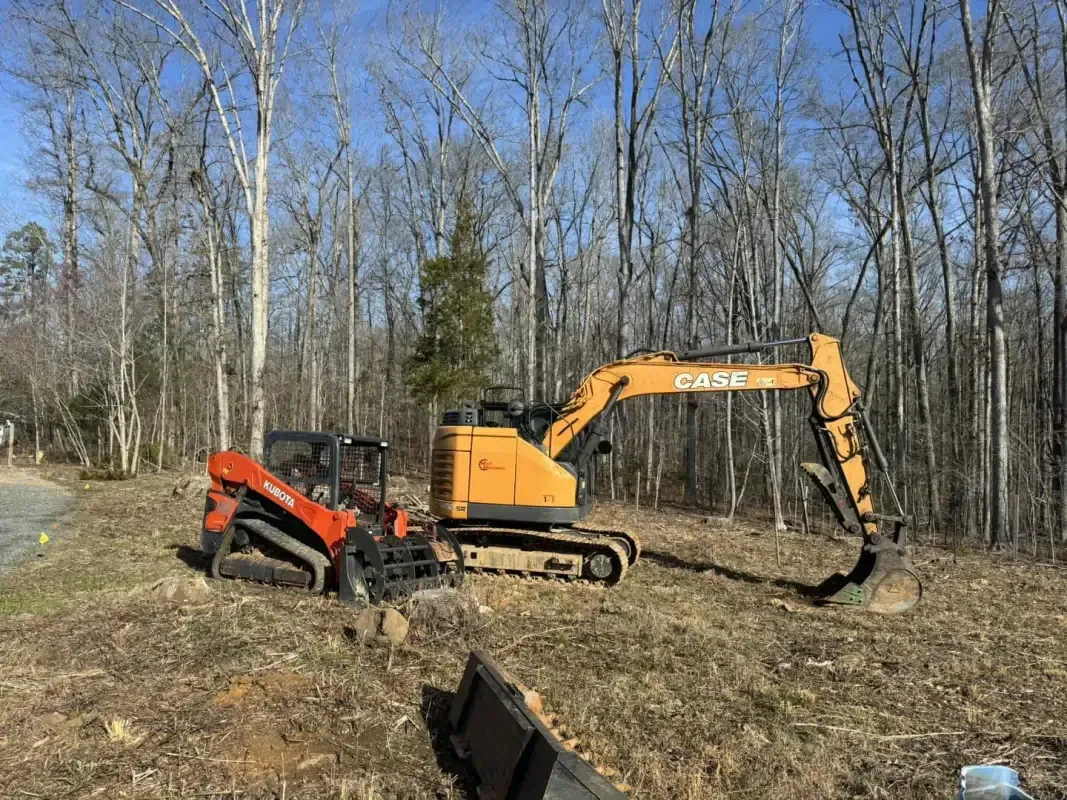
When preparing land for construction, one crucial step stands out. Excavation. But what is excavation exactly? In simple terms, it’s the process of moving earth, rock, or other materials using tools or heavy machinery. This important groundwork shapes the land for building foundations, roads, drainage systems, and utilities.
At Elite Earthworks, we believe every solid structure starts with careful and safe excavation work. With over ten years of hands-on experience, we know that a well-prepared foundation ensures lasting results.
Let’s look at what excavation means, how the excavation process works, the types of excavation used, and the key safety and operational practices that make each project successful.
What Is Excavation?
Excavation is the process of removing earth, soil, or rock to create space for construction or land improvement. It’s one of the first and most important stages in any project that involves reshaping the ground.
Whether it’s trenching for new water lines, clearing land for a house, or grading a site before concrete work, excavation forms the groundwork for everything that follows.
Modern excavation work involves surveying, soil testing, and equipment operation with precision. When done properly, it ensures stability, proper drainage, and safety for both residential and commercial projects.
How Excavation Is Done: The Process Explained
The excavation process follows a detailed plan to ensure accuracy, safety, and quality. Here’s how it works step by step.
1. Site Survey and Planning
Before digging begins, surveyors map the land, check elevations, and identify underground utilities. Proper surveying ensures the excavation matches design plans and prevents costly mistakes.
2. Marking and Clearing the Area
The next step is clearing trees, stumps, and debris. For large lots, this often includes land clearing and forestry mulchingto remove roots and organic material that could weaken the soil.
3. Excavating the Earth
Heavy equipment such as bulldozers and excavators remove soil according to the required depth and layout. This includes creating trenches, basements, and grading slopes to prepare for foundations.
4. Soil Management and Grading
Once the material is removed, we handle the soil carefully. Some is reused for finish grading, while the rest is hauled away. Grading ensures water drains correctly, protecting future structures.
5. Inspection and Compaction
The site is inspected for accuracy and safety before any construction starts. Then the soil is compacted to create a strong, even surface for driveways, pads, or utility lines.
Each of these steps requires attention to detail, proper equipment, and trained operators to maintain safety and efficiency.
Types of Excavation
There are several types of excavation, each used for a specific purpose. Knowing which one to use depends on soil conditions, project size, and design needs.
1. Topsoil Excavation
Removes the surface layer that contains roots and debris. This step prepares the ground for more stable soil below.
2. Earth Excavation
Involves removing deeper layers of soil to create space for building foundations and other structural elements.
3. Rock Excavation
Used when the site contains solid rock. Heavy machinery or controlled blasting is often required.
4. Muck Excavation
This removes wet, unstable soil that cannot support construction. The material is either dried or relocated.
5. Trench Excavation
A common form of utility trenching for installing water and electric lines. This type demands careful safety and depth control.
6. Cut and Fill Excavation
Soil from higher areas is cut and moved to lower sections to level the ground for development.
At Elite Earthworks, we evaluate every site to determine the right approach for efficient and safe excavation work.
Excavation Safety: Protecting People and Property
Proper excavation safety is vital to prevent accidents and protect workers and property. Excavation can be risky if not managed correctly. That’s why each site must follow specific safety guidelines.
1. Site Assessment
Before work begins, the soil and terrain are tested for stability. Underground utilities and groundwater levels are identified to avoid hazards.
2. Shoring and Shielding
For deep trenches, support systems like trench boxes or shoring prevent wall collapse and keep workers protected.
3. Safe Access
Trenches must include ladders or ramps for entry and exit. OSHA requires these to be within 25 feet of workers at all times.
4. Equipment Operation
Only trained personnel operate machinery. Routine maintenance checks keep everything running safely.
5. Weather and Soil Monitoring
Rain or waterlogged soil increases the risk of collapse. Monitoring weather and ground conditions helps maintain a safe work environment.
6. Clear Communication
Teams use signals and signage to coordinate safely around equipment and prevent accidents.
With our disciplined approach and ten years of experience, we maintain the highest standards of excavation safety on every project.
Excavation Practices That Deliver Results
High-quality excavation work depends on proven practices that support safety and precision from start to finish.
1. Plan Thoroughly
Every project begins with clear plans and site assessments. Planning saves time and prevents costly rework.
2. Use the Right Equipment
Each type of excavation requires specific tools. From skid steers to bulldozers, the right machine improves accuracy and efficiency.
3. Control Drainage
Proper drainage is critical. Drainage installation and grading prevent water buildup that could damage structures.
4. Protect the Environment
Using methods like mulching land clearing and seed and straw helps minimize erosion and restore the soil.
5. Inspect Frequently
Frequent checks ensure each phase meets safety and design standards.
6. Communicate Clearly
Clear updates keep clients informed and projects moving smoothly.
These excavation practices make every site safer, stronger, and ready for development.
Common Mistakes in Excavation Work
Even small errors can create long-term problems. Some common mistakes include:
- Failing to test soil before digging
- Ignoring water flow and drainage
- Using improper grading methods
- Overlooking utility lines
- Rushing the compaction process
Avoiding these mistakes ensures smoother, safer excavation results and prevents costly issues later.
Why Excavation Matters
Proper excavation is the foundation for every successful project. Without it, even a well-designed structure can fail. Correct excavation ensures:
- Structural stability
- Reliable drainage
- Safe access for construction
- Accurate utility placement
From residential driveways to large commercial pads, excavation determines the strength and safety of the final structure.
Conclusion
So, what is excavation? It’s the process that transforms raw land into a ready-to-build site. It requires planning, skill, and a full understanding of safety and soil behavior. Proper excavation work sets the stage for long-lasting, durable results and protects your investment from the ground up.
How Elite Earthworks Can Help
At Elite Earthworks in Rock Hill, SC, we deliver dependable earthwork services including excavation, grading, drainage, and site preparation. With over ten years of experience, we combine discipline, reliability, and integrity in every project. As a veteran-owned and operated team, we value honesty and hard work.
Call (803) 670-2629 for a Free Estimate and 10% off for veterans. We’ll handle your excavation with care, precision, and commitment from start to finish.