
Top Drainage Solutions for Yards: How to Fix Standing Water and Prevent Flooding
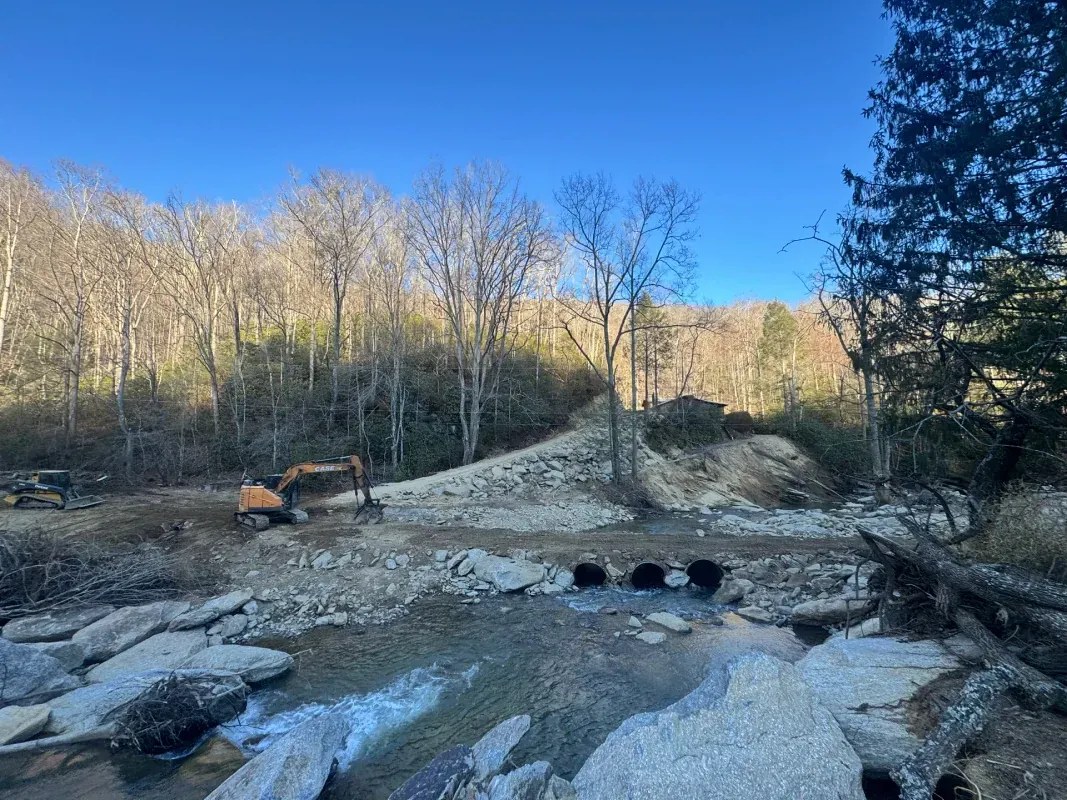
Standing water ruins yards. It kills grass. It invites mosquitoes. It threatens your foundation. The good news, you can fix it. In this guide, we break down the most effective drainage solutions for yards. We cover grading fixes, French drains, dry creek beds, and downspout drainage ideas that actually work. By the end, you will know how to fix standing water in yard areas and keep it from coming back with reliable yard drainage solutions.
We are Elite Earthworks. We serve property owners in Rock Hill, SC, and nearby. We move dirt. We manage water. We build stable, dry yards that last.
Why Yards Flood, and What It Means for Your Property
Water follows the easiest path. If it sits in your yard, the path is wrong. Here is why that happens:
- Poor grading. The ground does not slope away from your home, water collects near the foundation.
- Gutter and downspout issues. Your roof can shed thousands of gallons in a storm, if that water drops next to your house, it will find the basement, crawlspace, or low spots.
- Compacted soil. Heavy equipment, foot traffic, or clay heavy soils reduce infiltration, water cannot soak in.
- Clay soils. Common in our area, clay holds water like a bowl.
- Hardscape runoff. Patios, driveways, and walkways push water to the lawn.
- High water table. Groundwater rises after long rains.
- Landscape features. Beds, edging, or berms can trap water where it should not sit.
When water lingers, it erodes soil. It starves the roots of oxygen. It pushes against foundations. It stains driveways. It also points to a fixable flow problem. Let’s fix it with proven drainage solutions for yards that fit your site.
Quick Yard Diagnosis, A Simple Checklist
Before you choose a fix, watch your yard during and after rain. Use this quick checklist:
- Slope check: Does the soil fall away from your house at least 6 inches over the first 10 feet
- Downspouts: Do extensions carry water at least 10 feet away, are they clogged
- Low spots: Where does water sit 24 to 48 hours after rain, mark those areas
- Hardscape edges: Do patios or driveways dump water onto one small patch
- Soil feel: Dig 6 inches down, is it dense and sticky clay
- Neighbor flow: Does water enter from uphill properties
- Basement or crawlspace clues: Musty smells, damp walls, or sump activity
Your answers point to the right yard drainage solutions. Often, the best plan blends two or three drainage solutions in one design.
Fix 1, Correct the Grade, The Most Important Step
Most water problems start with grade. The ground should slope away from your foundation on all sides. We call this a negative grade. It directs water away from the house fast.
What we do:
- Strip organic material if needed.
- Laser grade for a clean, consistent fall away from the structure.
- Establish a gentle slope, typically 2 to 5 percent, for reliable flow.
- Build shallow, grassed swales to carry water to a safe outlet.
- Create berms to block and redirect hillside runoff.
Proper grading is the backbone of all drainage solutions for yards. Without it, other systems struggle. With it, many problems vanish.
Fix 2, Downspout Drainage Ideas That Make a Big Difference
Your roof collects a lot of water. Manage it well, and you solve half the battle. Try these downspout drainage ideas:
- Solid extensions, above ground: Simple and budget friendly, push water 10 to 15 feet from the foundation.
- Buried downspout drains: We trench and run solid pipe underground to a lower point.
- Pop up emitters: The pipe ends in the yard with a spring cap that opens under pressure, clean look.
- Daylight outlets: Where the pipe exits on a slope, ideal when available.
- Dry wells: For flat yards, a gravel filled pit or basin that stores and slowly releases water.
- Tie-ins to swales or dry creek beds: Blend form and function.
- Leaf guards and cleanouts: Keep systems flowing.
If you only change one thing, extend those downspouts. It is one of the simplest drainage solutions for yards and it pairs well with other yard drainage solutions.
Fix 3, French Drains for Soggy Lawns
A French drain moves water through the soil to a safer place. It is a trench with perforated pipe, wrapped in fabric, surrounded by clean stone. It collects subsurface water and carries it away.
Ideal uses:
- Lawns with springy, saturated soil.
- Edges of hardscapes where water seeps back.
- Along slopes where hillside water crosses your yard.
Common mistakes to avoid:
- No fabric, soil clogs the stone.
- The wrong stone always uses clean washed gravel.
- Poor outlet, the pipe must discharge lower than the trench.
- Too shallow or too flat, we set the right depth and slope.
French drains work well when paired with grading and downspout control. They are not magic alone. But they shine in clay soils and persistent wet zones as part of solid drainage solutions.
Fix 4, Dry Creek Beds and Rock Swales, Attractive and Effective
A dry creek bed looks like a natural streambed. It is rock lined with larger river rock and a geotextile underlayment. It carries water during storms and looks great when dry.
Why we like them:
- They handle heavy flow without eroding.
- They spread energy and slow water.
- They hide practical drainage with style.
- They pair well with native grasses and shrubs.
Use dry creek beds to move water from yard centers to daylight, culverts, or wooded edges. They are one of our favorite yard drainage solutions because they are tough, simple, and low maintenance.
Fix 5, Catch Basins and Channel Drains
Sometimes water collects on hard surfaces or low corners. A catch basin is a small box with a grate. It captures surface water and connects to a solid pipe. A channel drain is a long, grated drain used across driveways or patios.
Good places to use:
- Bottom of a sloped driveway.
- Patio corners where water pools.
- Along walkways that funnel water to one edge.
These are high capture drainage solutions. They grab water fast and send it away before it can soak and spread.
Fix 6, Improve the Soil So Water Can Soak In
Clay fights infiltration. You can help it.
- Core aeration and topdressing: Punch holes, add sand or compost, improves percolation.
- Amend beds: Mix organic matter into planting areas.
- Rain gardens: Shallow, planted basins with deep rooted natives, they take overflow and let it soak.
- Dial in irrigation: Do not overwater, adjust timers after rain.
Soil improvement will not fix grading failures. But it is a smart companion to other drainage solutions for yards, especially for long term lawn health.
Fix 7, Permeable Driveways and Paths
Impervious surfaces push water downhill. Permeable ones let water through.
Options we install:
- Gravel driveways and parking areas: Affordable and durable, highly permeable when built on a proper base.
- Permeable pavers: Let water pass through joints.
- Gravel grid systems: Stabilize gravel so it stays put.
If your driveway sends a river into the yard, consider a gravel upgrade or add a channel drain, swales, or a dry creek bed to manage the flow as part of your drainage solutions plan.
Fix 8, Curtain Drains and Sump Pumps for High Water Tables
Some sites sit wet because groundwater is high. In those cases, we use:
- Curtain drains: A deeper variant of a French drain, set uphill of the problem area, it intercepts subsurface flow before it reaches the home.
- Sump pumps with basins: For low, flat yards or crawlspaces, water collects in a basin and pumps to a safe outlet.
These are advanced yard drainage solutions. They require careful layout and reliable power. We install them when passive flow will not cut it.
Fix 9, Erosion Control, Seed and Straw, and Blankets
Controlling water is half the job. Stabilizing soil is the other half.
Our finish steps:
- Finish grading: Clean contours, smooth transitions, proper fall from the house.
- Seeding and straw: We seed the area and apply straw to hold moisture and protect germination.
- Double net straw blankets: We install these in swales and on slopes, they lock seed and soil in place until roots grab.
- Drainage swale vegetation: Choose deep rooted turf or native grasses for strength.
Without stabilization, even the best drain can fail. We never skip this phase in our drainage solutions for yards.
Maintenance, Keep Your System Working
A great system still needs care. Here is a simple schedule:
- After every big storm: Check outlets, pop up emitters, and creek beds for debris.
- Monthly in leaf season: Clear gutters and grate tops.
- Spring and fall: Inspect slopes for settling, add soil and seed where needed.
- Annually: Jet or flush long runs of downspout drains if tree roots are nearby.
- Every 2 to 3 years: Topdress lawns in heavy clay, aerate to keep infiltration up.
Consistency prevents small clogs from becoming big floods. It also keeps your drainage solutions working as designed.
Cost Ranges, Ballpark Only
Every yard is different. Soil, access, and pipe length matter. Here are rough, local style ranges to set expectations:
- Downspout extensions, buried, from a few hundred to a few thousand per run, length and obstacles change cost.
- French drains, cost scales with depth and length, corners and tie ins add labor and materials.
- Dry creek beds, material and rock size drive cost, long runs cost more.
- Catch basins and channel drains, price depends on concrete cutting and pipe routing.
- Grading and swales, equipment time and fill or haul make the difference.
We always provide free estimates, so you know the numbers before we dig.
DIY vs Hiring Pros
You can DIY small fixes. Try above ground downspout extensions. Rake minor depressions. Add topsoil to pitch away from the house. Aerate the lawn.
Bring in pros when:
- Water is near the foundation.
- You need trenches across utilities.
- You are dealing with long runs, multiple tie ins, or tight elevations.
- You need machine grading, dozer work, or a dry creek bed built to handle real flow.
- The yard keeps flooding after every storm.
We own the gear. We move the dirt. We make water behave with smart drainage solutions for yards that last.
Real World Combos That Work
Most successful projects combine solutions:
- Grade, Downspouts, Swale: The core trio for many homes.
- French Drain, Dry Creek Bed: Subsurface and surface flow handled together.
- Channel Drain, Downspout Tie in: A driveway that used to flood now stays dry.
- Curtain Drain, Sump Pump: When groundwater wins, we fight back with depth and power.
- Finish Grading, Seed, Straw, Blankets: Control water and lock in soil.
These combos deliver durable drainage solutions for yards that stand up to Carolina storms and protect your property.
How to Fix Standing Water in Your Yard, Step by Step
Here is a simple plan you can follow or hand to a crew:
- Map the water. Watch where it comes from and where it sits.
- Set the primary slope. Ensure negative grades at home.
- Control roof runoff. Extend or bury downspouts to safe outlets.
- Create a path. Swales, dry creek beds, or solid pipe to daylight.
- Treat stubborn zones. Add French drains or catch basins.
- Stabilize. Finish grade, seed and straw, install erosion blankets in swales.
- Maintain. Keep outlets clear, aerate and topdress over time.
Follow this and you will solve most yard drainage problems for good, and you will know how to fix standing water in yard areas the right way.
Common Myths About Yard Drainage
- I can just dig a hole and fill it with gravel. Without fabric and an outlet, it clogs fast.
- More pipe equals better drainage. Not if the elevations are wrong, slope matters.
- French drains fix everything. Not without grading and roof water control.
- Grass will stop erosion on its own. Not on active flow lines, use blankets until roots establish.
- I do not need to manage downspouts. Roof water is often the number one culprit.
Truth beats myth. Good layout beats guesswork. Smart yard drainage solutions beat quick fixes.
The Bottom Line, Drainage Is Design plus Execution
Effective drainage solutions for yards are simple, but not random. You set the grade. You route roof water. You choose the right system for the soil. Then you stabilize and maintain. Do this and you prevent standing water, erosion, and foundation damage, once and for all.
If you want a clean yard, start with a clean plan and proven drainage solutions for yards that fit your site.
How Elite Earthworks Can Help
We are Elite Earthworks in Rock Hill, SC, veteran owned and operated. We treat your home like a mission. We design and install reliable drainage solutions for yards, grading, swales, French drains, dry creek beds, downspout tie ins, finish grading, and seed and straw with double net blankets where water flows. We bring 10 years of hands-on experience as a self employed crew. We show up. We do it right. We stand behind it. Call (803) 670 2629 for a free estimate. Veterans get 10 percent off. We are not a fly by night outfit, we make sure the work is done correctly and you are satisfied, even when it takes extra effort on our part.