
Concrete Crack Repair: Why Small Cracks Shouldn’t Be Ignored
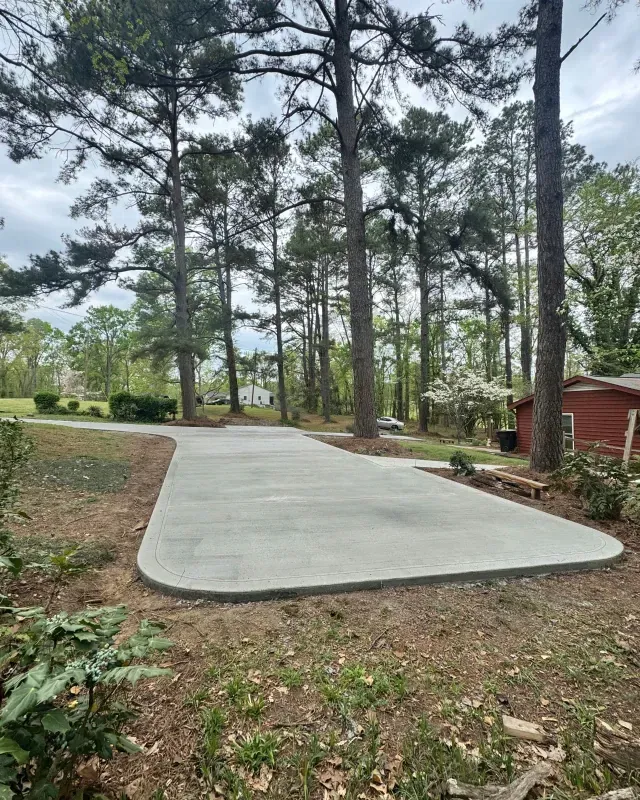
Homeowners often focus on urgent repairs like leaks, mold removal, or pest control—things that clearly threaten comfort and safety. But what about cracks in your concrete driveway, floor, or patio? They may not seem as pressing, especially if they’re small or barely noticeable. After all, concrete is supposed to be strong and long-lasting. Surely a hairline crack isn’t a big deal, right?
Unfortunately, that assumption can be costly. Cracks in concrete aren’t just cosmetic blemishes. They can be early signs of deeper issues: foundation shifting, drainage problems, or soil settlement, that will only worsen over time. By delaying concrete crack repair, you risk more extensive damage, higher repair costs, and a reduction in your property’s value.
In this guide, we’ll explore what causes concrete cracks, the risks of ignoring them, and how different repair methods, whether it’s concrete driveway crack repair or concrete floor crack repair, can protect both the appearance and integrity of your property.
Why Concrete Cracks Happen
Some cracks are easy to explain, maybe your driveway is decades old, or a heavy truck recently parked in the wrong spot. But sometimes cracks appear in relatively new concrete, leaving homeowners wondering what went wrong. The reality is, cracks can develop for many reasons, and knowing the cause is key to finding the right repair approach.
1. Shrinkage During Curing
Before concrete fully hardens, it’s in a “plastic” state. If the mixture contains too much water, the slab can shrink excessively as it dries, creating thin, jagged lines that often branch out from corners or fixtures. These hairline cracks may look minor but can still allow moisture infiltration if not sealed.
2. Temperature Changes
Concrete expands in heat and contracts in cold. Without proper expansion joints to relieve pressure, this movement can cause stress fractures. Over time, these cracks may widen or deepen.
3. Weak Concrete Mix
A poorly prepared mix or incorrect ratios can produce weaker concrete that’s more susceptible to cracking. Even normal wear and tear can cause deterioration faster than expected.
4. Improper Pouring Conditions
Pouring concrete in extreme temperatures, whether too hot or too cold, can affect its curing process. Concrete that dries too fast in heat may shrink and crack, while concrete poured over frozen ground can set unevenly, leading to future fractures.
5. Foundation and Soil Movement
Expansive clay soils, erosion, and settlement can all put uneven pressure on your slab, causing both hairline and wide cracks. If the soil moves, your concrete will, too.
When Cracks Signal Bigger Problems
Not every crack is a reason to panic, but some are red flags for deeper issues. Understanding the different types of cracks can help you decide when to call in a professional.
- Hairline Cracks: Very thin and typically caused by shrinkage. They should still be sealed promptly to prevent water intrusion.
- Spiderweb or Map Cracks: Surface-level, interconnected cracks that may be more cosmetic but can worsen if ignored.
- Wide or Expanding Cracks: Often linked to soil settlement or load stress, these need evaluation from a professional to identify the root cause.
- Displacement Cracks: If one side of the crack is higher than the other, it’s likely a sign of foundation or subgrade movement.
If you’ve ever asked yourself, “How do you repair a crack in concrete?”, the first step is determining whether it’s simply a surface defect or a symptom of a structural problem.
The Risks of Ignoring Concrete Cracks
Delaying the repair of concrete cracks can have consequences that extend far beyond appearance.
1. Water Infiltration
Cracks act like open doors for water. Once inside, moisture can erode soil, weaken the slab, and even cause freeze-thaw expansion in colder climates. Over time, this makes cracks wider and more numerous.
2. Foundation Issues
If the crack is a symptom of shifting soil or settling foundation, waiting will only worsen the underlying problem. In severe cases, it may lead to uneven floors, sticking doors, or visible structural damage.
3. Safety Hazards
Uneven or broken concrete poses a tripping risk. For businesses, neglected cracks could even create liability issues.
4. Lower Property Value
Curb appeal matters. Large or multiple cracks can make a property look neglected, which can deter buyers and lower resale value.
Concrete Driveway Crack Repair
Driveways are especially prone to cracking because they endure constant exposure to vehicles, weather changes, and freeze-thaw cycles. Concrete driveway crack repair prevents small gaps from becoming potholes or large fractures.
How to repair cracks in concrete driveway:
- Clean the area thoroughly with a pressure washer.
- Remove loose debris and dirt from the crack.
- Fill with an outdoor-grade crack filler or patch compound.
- Seal the driveway to protect against water and UV damage.
Regular maintenance and resealing every few years can greatly extend your driveway’s lifespan.
Concrete Floor Crack Repair
Indoor concrete floors, such as those in garages, basements, and warehouses, can also develop cracks from settlement, heavy loads, or moisture intrusion.
Concrete floor crack repair often involves:
- Cleaning the crack and removing loose material.
- Injecting epoxy for structural reinforcement.
- Resurfacing the floor if needed for a smooth, uniform finish.
For areas subject to heavy traffic or machinery, choosing a high-strength repair material is crucial to prevent future cracking.
How to Repair Cracks in Concrete: Step-by-Step
If you’re tackling a small repair yourself, here’s a general process for how to repair cracks in concrete:
- Clean the Crack: Use a wire brush or pressure washer to remove dirt, dust, and debris.
- Assess the Depth: Hairline cracks may only require sealing, while deeper cracks might need patching.
- Select the Right Material: Epoxy injections, polyurethane sealants, or cement-based patching compounds.
- Fill and Smooth: Apply the repair product, ensuring it fully penetrates the crack.
- Cure Properly: Follow manufacturer guidelines to allow proper setting before resuming use.
When to Call a Professional
While small, surface-level cracks can often be handled as DIY projects, more serious damage calls for a skilled contractor.
Hire a pro if:
- The crack is wider than ¼ inch.
- The slab is uneven or displaced.
- You notice continued widening or spreading.
- The crack appears in a load-bearing area.
A professional can determine whether you need concrete crack repair alone or if structural corrections, like soil stabilization or slab leveling, are also necessary.
Prevention: Stopping Cracks Before They Start
Preventing cracks is always easier (and cheaper) than repairing them. Here’s how:
- Proper Installation: Ensure the base is well-prepared and the concrete is poured under the right conditions.
- Seal Regularly: Sealing protects against moisture penetration and chemical damage.
- Control Heavy Loads: Avoid exceeding the slab’s designed weight capacity.
- Manage Water Drainage: Keep water flowing away from the slab to prevent soil movement underneath.
Final Word on Concrete Crack Repair
Small cracks might be easy to overlook, but they rarely stay small. Whether you’re dealing with concrete driveway crack repair, concrete floor crack repair, or learning how to repair cracks in concrete, early action is the key to preventing bigger headaches later.
By addressing cracks right away, you protect your investment, maintain your property’s curb appeal, and avoid costly structural repairs in the future. If you’re unsure about a crack’s severity, call a trusted contractor for a professional assessment. The sooner you act, the more time, money, and stress you’ll save.